Detroit Beat Essentials for Rio Da Yung OG Style Tracks
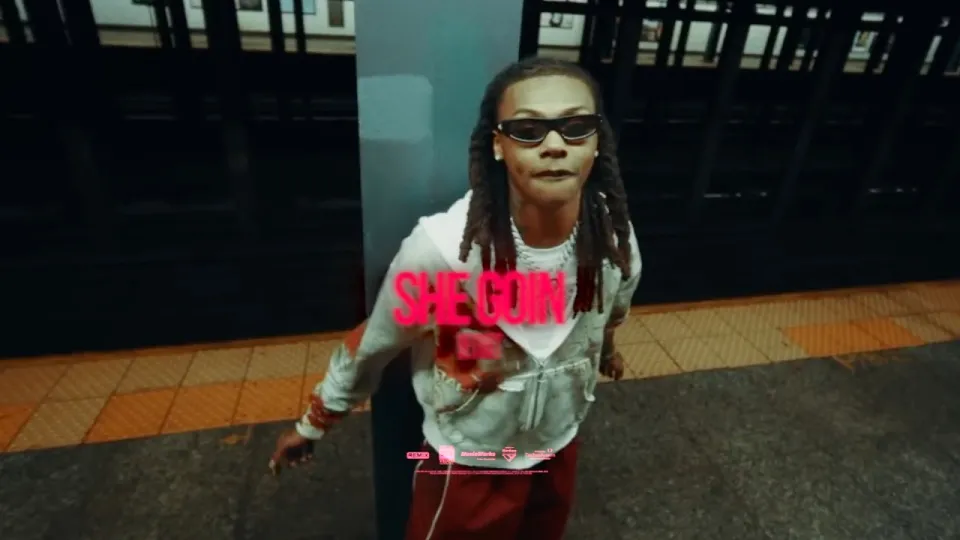
Video: [FREE] “She Goin” - Rio Da Yung OG x Babyfxce E Type Beat | Detroit Type Beat
Need articles like this for your video? They help promote it on YouTube and Google — order them in the Telegram bot @sat_sit_bot. Articles with your video embedded are written and posted by the bot itself — on popular topical sites (no ads). Try it free: 50 articles on us.
· based on the channel Reuel StopPlaying
A Detroit beat is a style of hip-hop production characterized by fast tempos (typically 140–160 BPM), hard-hitting 808 bass, and dark, minimalist melodies—often built for the deadpan, aggressive delivery of rappers like Rio Da Yung OG and Babyfxce E. These beats usually feature punchy kicks, rapid hi-hat rolls, and eerie piano or synth loops that create a menacing atmosphere. If you're looking to rap over this sound or produce it, you can download a free Detroit type beat here to get started.
What Defines a Detroit Beat
A Detroit beat is built on contrast: sparse, haunting melodies paired with dense, aggressive percussion. The tempo often sits between 140 and 160 BPM, though some tracks push toward 170. The drum pattern typically includes a booming 808 kick, snappy snares or claps on the third beat, and hi-hats that alternate between rapid rolls and open patterns. Melodically, producers favor minor keys, using detuned pianos, dark synth pads, or plucked strings. This combination creates a cold, street-ready vibe that matches the lyrical themes of Michigan rappers.
Rio Da Yung OG and Babyfxce E: The Faces of the Sound
Rio Da Yung OG and Babyfxce E are two of the most influential voices in the Flint/Detroit rap scene. Rio's delivery is laid-back yet threatening, often riding beats with a conversational flow. Babyfxce E brings a slightly more energetic approach, but both thrive on production that leaves plenty of space for punchlines. Their collaboration tracks, like "She Goin," showcase how a minimalist Detroit beat can amplify lyrical impact. Producers looking to capture this style should study the interplay between vocal cadence and beat simplicity.
Key Production Elements
To produce a Detroit beat, focus on these core components:
- Tempo and Groove: Set your DAW to 145–155 BPM. Use a swing or triplet feel on hi-hats to create momentum.
- 808 Bass: Choose an 808 sample with a long decay and slight distortion. Tune it to the root note of your melody.
- Melodic Loop: Create a dark, repetitive melody using piano, bells, or synth. Keep it simple—two to four bars that loop seamlessly.
- Drum Pattern: Program a kick on the downbeats, a snare or clap on the third beat, and hi-hats with varying velocities. Add occasional open hats for texture.
- Mix and Master: Boost the low end for club impact, but keep mids clear for vocals. Sidechain the 808 to the kick for clarity.
Licensing and Usage of Free Type Beats
Free type beats are not royalty-free for commercial use. Producers like Reuel StopPlaying offer free downloads for non-profit purposes only: demos, promotional CDs, non-monetized streaming, and live shows without profit. For any for-profit release—including monetized YouTube videos, Spotify, or paid performances—you must purchase a lease or exclusive rights. When using a free beat, you must credit the producer exactly as specified, typically in the format: "Produced by (Producer Name) for SoundFirst Productions." This credit must appear in video descriptions, on physical copies, and in metadata. Always check the producer's terms before releasing a track.
Common Questions from Aspiring Artists
Many upcoming rappers ask about the practicalities of using free beats. Can you just screen-record a beat from YouTube? No—that violates copyright and results in poor audio quality. Instead, download the official file from the producer's link. Another frequent question: how much does a lease cost? Prices vary, but non-exclusive leases often range from $20 to $100, while exclusive rights can cost hundreds or thousands. Some artists also wonder if they can remove the beat from YouTube after purchasing—usually, the producer will keep the video up for promotional purposes, but you gain the rights to distribute your song. Always communicate with the producer to clarify terms.
Tips for Rapping Over Detroit Beats
When rapping over a Detroit beat, less is more. The production leaves gaps for your voice to sit prominently. Focus on clear enunciation and pocket flow—lock into the groove rather than overcrowding bars. Use ad-libs sparingly to accent punchlines. Many Michigan rappers employ a deadpan tone, but you can experiment with energy while maintaining clarity. Record with a quality microphone and apply light compression to match the beat's aggressive dynamic. Practice riding the hi-hat patterns; they often dictate the rhythmic feel.
Building a Catalog with Type Beats
Type beats are a great way to build a portfolio without spending on exclusive production. Start with free beats for non-profit projects, then reinvest earnings into leases as your audience grows. Consistency matters: release tracks regularly on streaming platforms and YouTube. Engage with producers—many offer custom work or discounts for multiple leases. Remember that your unique delivery and songwriting set you apart, even if the beat is widely used. Collaborate with other artists in the Detroit style to cross-promote and refine your sound.
Final Thoughts
The Detroit beat sound continues to evolve, driven by artists like Rio Da Yung OG and Babyfxce E and producers who understand the power of restraint. Whether you're a rapper seeking the perfect backdrop or a producer studying the style, mastering the balance of dark melody and hard drums is key. For a free starting point, grab this Detroit type beat and experiment. This breakdown was inspired by the channel Reuel StopPlaying, which regularly showcases free type beats for the Michigan scene.
Useful Links
Key takeaways
- Detroit beat style features fast tempos (140-160 BPM), punchy 808s, and minor-key melodies.
- Rio Da Yung OG and Babyfxce E popularized the Flint/Detroit rap sound with deadpan delivery over minimalist beats.
- Free type beats from producers like Reuel StopPlaying allow non-profit use with proper credit.
- Commercial use requires a purchased license; free downloads are for demos and streaming only.
- Key elements: crisp hi-hats, dark piano or synth loops, and heavy sub-bass.
Questions & answers
Can I use a free Detroit type beat for my YouTube video?
Yes, for non-profit videos only. If your video is monetized or part of a for-profit project, you need a paid license. Always credit the producer as specified, typically in the description.
How much does it cost to lease a Detroit type beat?
Non-exclusive leases usually range from $20 to $100, while exclusive rights can cost several hundred dollars or more. Prices vary by producer and the beat's popularity.
What BPM are Detroit beats typically?
Most Detroit beats fall between 140 and 160 BPM, with some reaching 170. The fast tempo supports the rapid hi-hat patterns and energetic delivery common in the genre.
Do I need to credit the producer if I use a free beat?
Yes, written credit is required in a specific format, such as 'Produced by (Producer Name) for SoundFirst Productions.' This must appear on all distributions, including streaming platforms and physical copies.
Source: [FREE] “She Goin” - Rio Da Yung OG x Babyfxce E Type Beat | Detroit Type Beat · Markdown version